
Anthony was one of two students in our very first City Semester cohort in fall 2017 and currently serves as community liaison, Mayor’s Office of Community Relations and Services at the Executive Office of Mayor Muriel Bowser.


Anthony was one of two students in our very first City Semester cohort in fall 2017 and currently serves as community liaison, Mayor’s Office of Community Relations and Services at the Executive Office of Mayor Muriel Bowser.

Alumni of the Penn State Center Pittsburgh City Semester program discuss how their experiences in the program inspired them to pursue careers in sustainability and make a difference in their communities.

The fourth UN Sustainable Development Goal is to “ensure inclusive and equitable quality education and promote lifelong learning opportunities for all.” Some of the targets focus on providing equitable, effective, and affordable education for all children, youth, and adults, achieving higher levels of literacy and numeracy, building and upgrading safe and inclusive facilities, and increasing supply of quality teachers and teacher training.

Careers in sustainability can give anyone the opportunity to support a healthy and sustainable future for local communities and the world.

Looking at the third UN Sustainable Development Goal — Good Health and Well-Being — it is clear that health is a major contributor to building prosperous societies and creating a better world. After all, healthy communities are closely connected to ending poverty and hunger, contributing to economic growth, providing quality education, and achieving other global priorities.

Penn State student Capricia Williams said she learned something this past semester that she could not find in a book, or a classroom. She was searching for her niche, and her internship with Sankofa Village Community Garden — part of her enrollment in the City Semester Pittsburgh program — opened the door for her to find it.
During a recent session of our City Semester Urban Sustainability class, students read Sustainability by Design: A Subversive Strategy for Transforming Our Consumer Culture, by John Ehrenfeld, and discussed the roots of unsustainability and possible ways to address it.
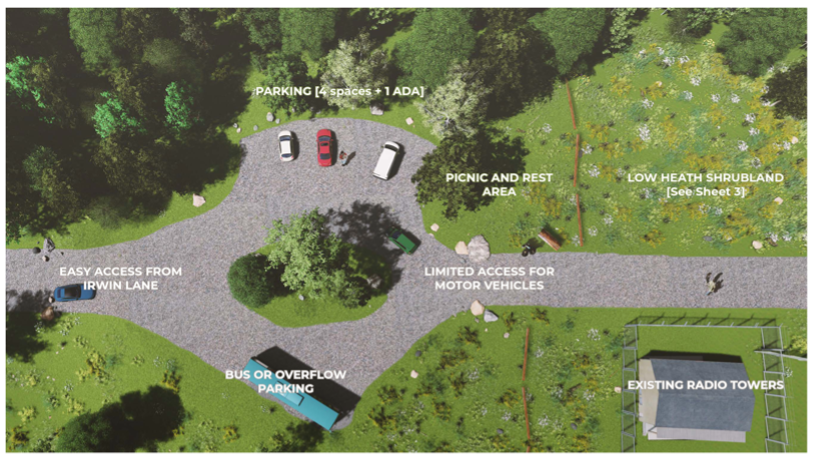
The Pittsburgh Studio course connects students to a local community to address place-based issues through design. This past spring semester, students in the studio focused on the Triboro Ecodistrict of Millvale, Etna, and Sharpsburg.

Robert and Patty Tunno’s CITY (Community Innovation Training for Youth) program at the Penn State Center Pittsburgh has been creating unique and engaging experiences for local youth since 2016. The program served its last group of students in 2020 and will no longer be held.

One of the biggest questions facing our world today is “how can people still be hungry when there is so much food available?” The short answer: poverty and lack of resources. Though there is enough food in the world to feed everyone in it, many individuals cannot afford food for their family.